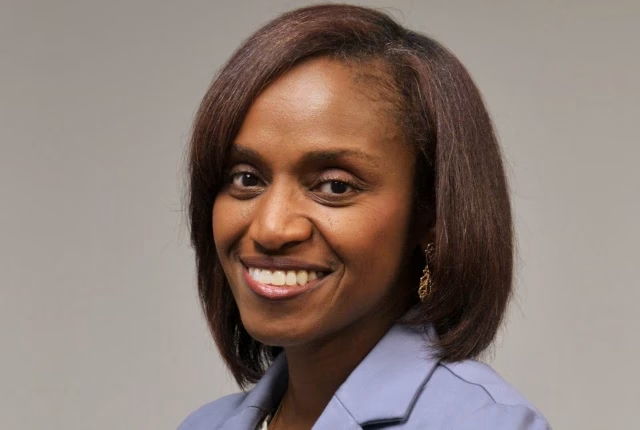
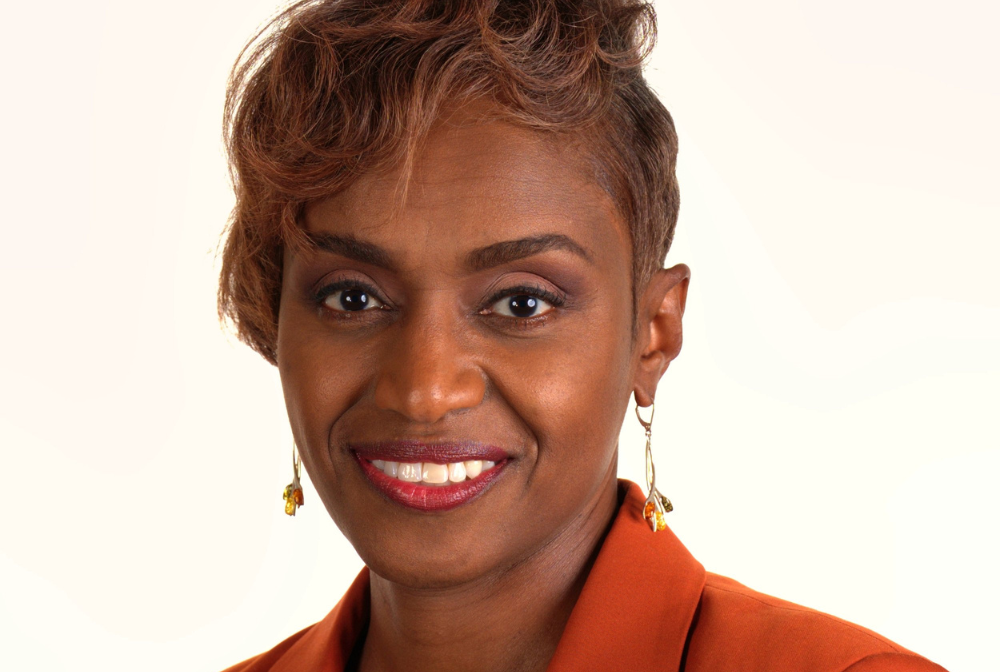
We are very pleased to announce that Sharon Tubbs has accepted the Executive Director position for HealthVisions Midwest, Inc.
Sharon has been serving as the Director of HealthVisions – Fort Wayne since March of 2020. Prior to accepting her position as the Director, Sharon worked as Community Liaison for the HEAL Program with St. Joseph Community Health Foundation.
Sharon comes with a Master’s degree in Human Services and a Bachelor of Arts in Journalism. Not only did Sharon spend seven years as the Editor for the largest newspaper in Florida, she is also an author and a keynote speaker/presenter in various venues.
Sharon is a native of Allen County but spent 20 years in Florida before returning in 2016. Sharon has excellent networking skills and has expanded programs in Fort Wayne through grants and partnerships.
We’re very pleased to have Sharon step into this Executive role bringing her experience within the PHJC organization to this next level of leadership. Sharon will begin her new role by January 1, 2024.
We ask God’s blessings on Sharon, HealthVisions’ Board of Directors, staff and all they serve!
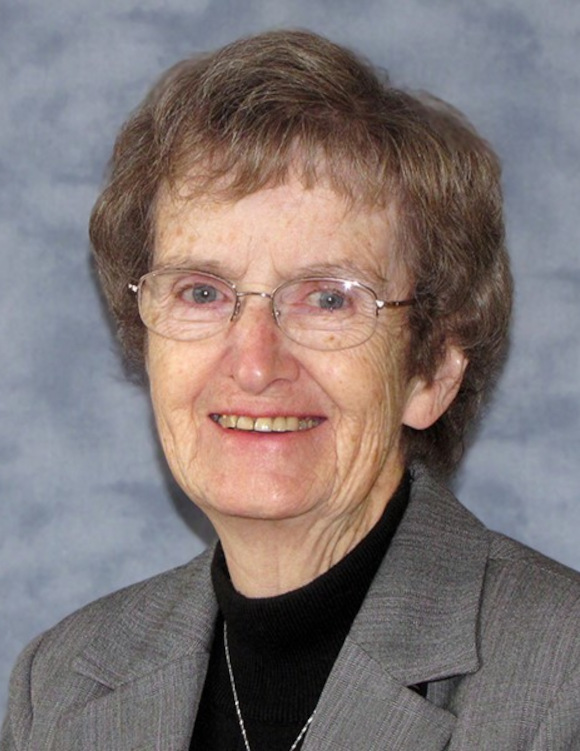
Sister Michelle Dermody, Poor Handmaid of Jesus Christ, peacefully passed to eternal life on October 30, 2023 at Catherine’s Cottage, Donaldson, IN.
As the youngest of four children, Sr. Michelle was born in Hammond, IN and in her words, began her first roller coaster ride! Her parents, Michael V. Dermody and Mary Cecil O’Connor, brother Michael (Micky), her sisters Bernadette Hufford and Margaret (Peg) Johnson and brother-in-laws, Richard Hufford and Robert Johnson, as well as many Poor Handmaid Sisters preceded Sr. Michelle in death. Sr. Michelle is survived by numerous nieces, nephews and great nieces and nephews.
Joan Dermody entered the Poor Handmaids of Jesus Christ on January 6, 1956, taking the name of Sr. Michelle. She professed vows on July 16, 1962.
With a focus on education, her ministry of teaching included schools in Indiana— Gary St. Mark’s, Mishawaka St. Monica’s, East Chicago St. Mary’s and in Chicago—St. Henry School. Her ministry expanded to include parish religious education and youth ministry at: St. Ansgar in Hanover Park, IL; St. Bavo in Mishawaka; St. Rosalie in Harwood Heights, IL; Faith, Hope and Charity in Winnetka, IL. St. Catherine in Wellingborough, England. After studying sign language at Gallaudet College for the Deaf, Sr. Michelle also served the deaf community at St. Augustine’s in Cleveland, OH. Residents and staff were also blessed with Sr. Michelle’s loving presence when she served at the Catherine Kasper Home as assistant coordinator.
Sr. Michelle loved sign language and saw it as an art form, as well as a means of communication. She often used it as a personal expression of her spirituality. She will be remembered for her Irish wit and humor, celebration of life, joyful perspective and the smiles she brought to everyone she met.
Because of Sr. Michelle’s wish to be cremated, there will not be a viewing. Because storytelling was so natural to Sister Michelle, her wake service will include telling of stories.
The wake and funeral will be held on Friday, Nov. 3, 2023, at Ancilla Domini Chapel, Donaldson, IN. Directions best through this address: 9601 Union Road, Plymouth, IN, 46563.
All times are EDT
Wake Service and Storytelling— Friday, November 3, 2023, 10:30 am
Mass of Christian Burial— Friday, November 3, 2023, 11:15 am
For those unable to attend in person, the Mass of Christian Burial will be livestreamed at poorhandmaids.org/live.
Memorial contributions to the Poor Handmaids of Jesus Christ, P.O. Box #1, Donaldson, IN 46513 or on poorhandmaids.org.
Art therapy brings hope to clients at Sojourner Truth House
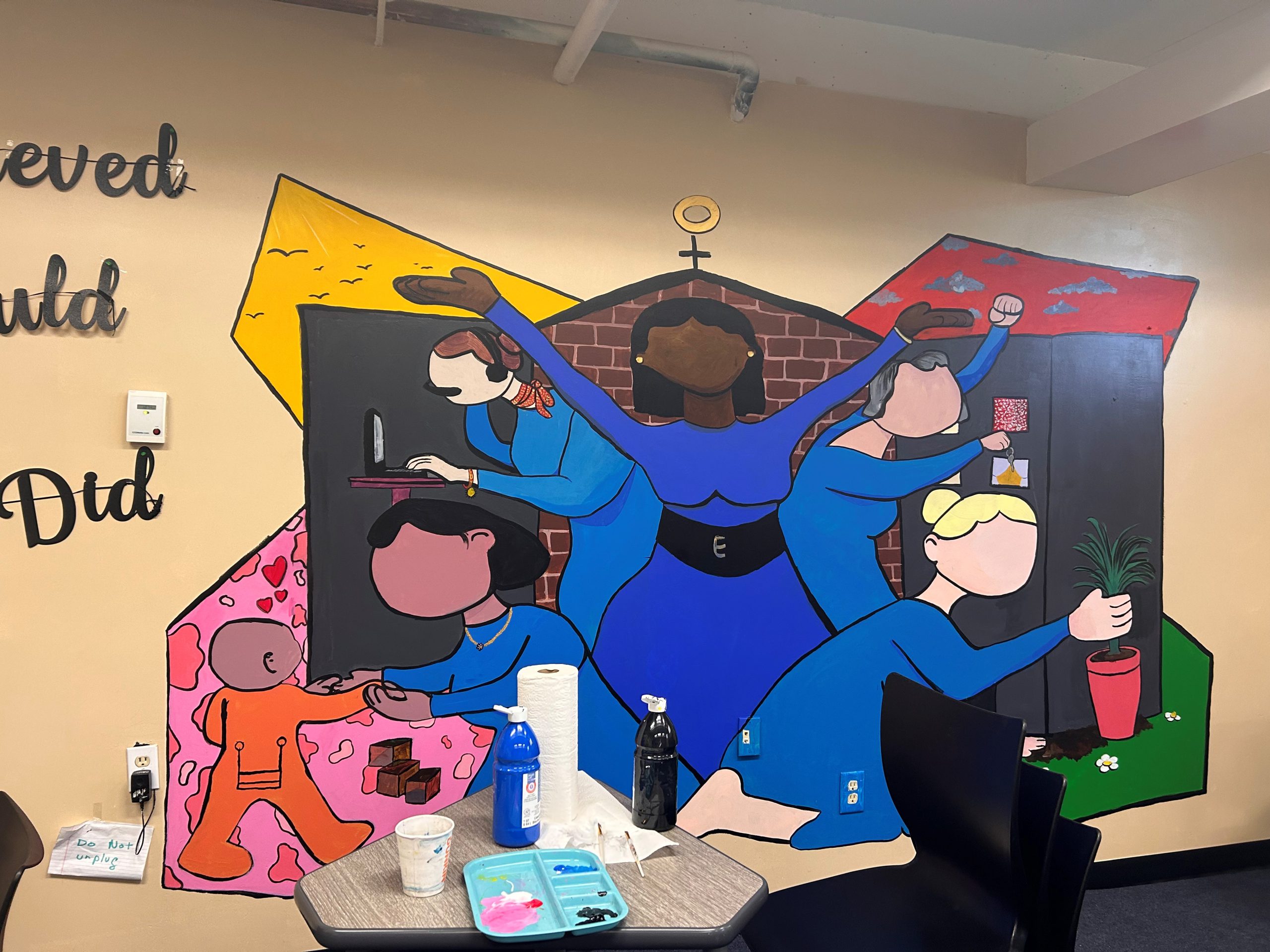
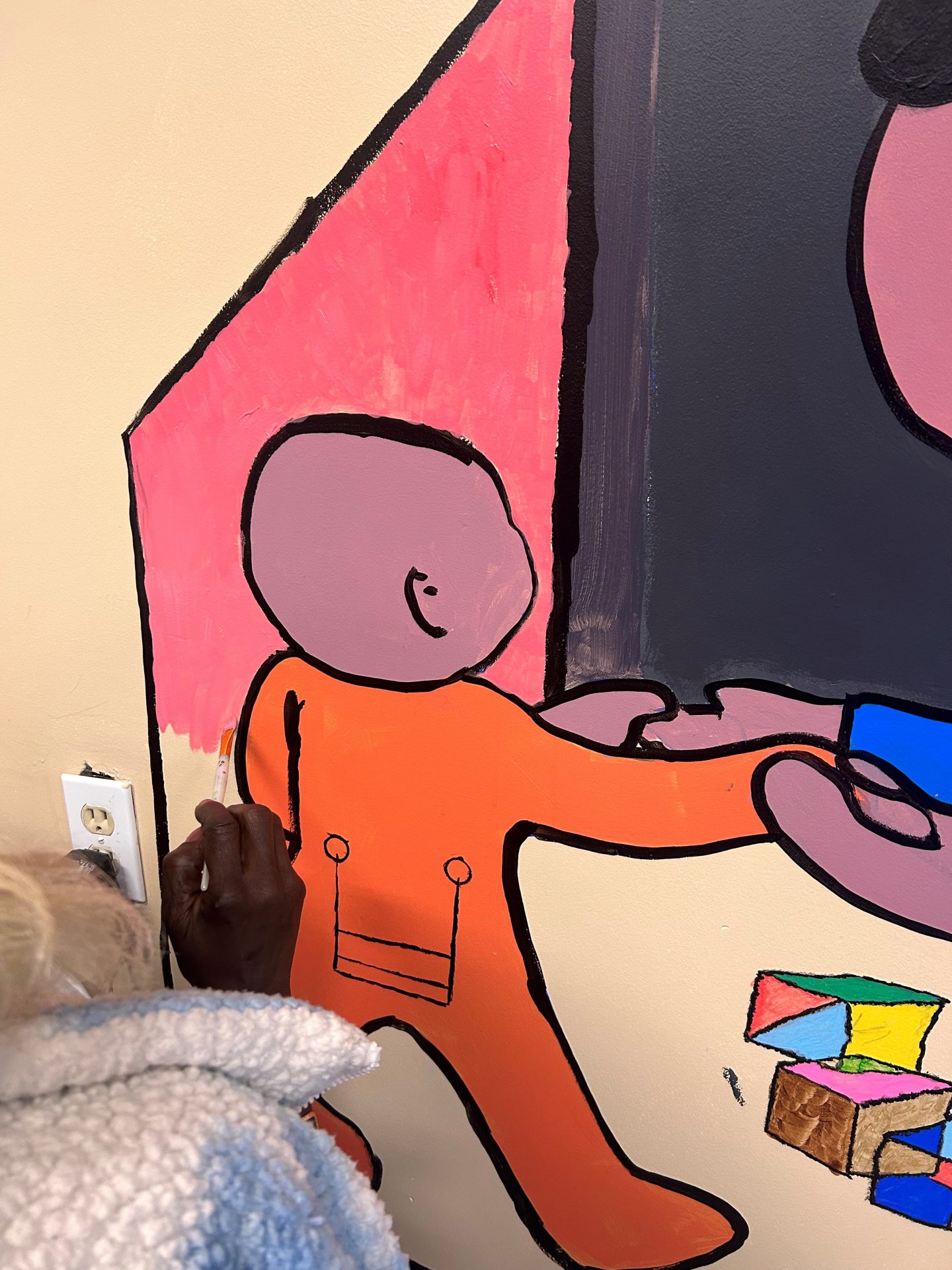
GARY, IN – As part of its Art Therapy course, Sojourner Truth House (STH) recently worked with program participants to create a new art mural adorning one of its classroom walls.
STH serves women and their children experiencing homelessness through programs to help them obtain housing, such as career services, intensive case management, counseling, art therapy, and more.
The idea for the art mural came from art therapist instructor Chasity Armstrong. Her goal was to create a mural that participants could see themselves in. The inspiration for the design is to look like a clock with participants able to see their progress from when they first arrive at STH.
“Art therapy is a way to connect with yourself, your spirit, and the world,” says Director of Client Services, Dr. Pamela Key. “Art shows you to look at the good; we should look at the good in everyone. Everyone has different situations. We hope our clients just become a better version of themselves. We celebrate everything that they accomplish.”
The mural took three months, with Chasity, STH clients, and children working together.
“The faces have no features,” says Dr. Key. “This is so our clients can see themselves in it. They’re already there. They’re here.”
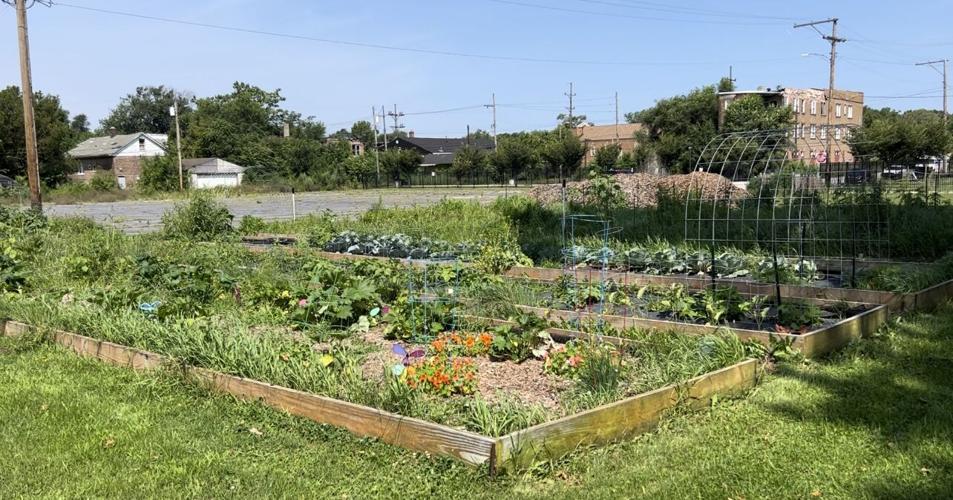
Each figure represents different aspects of how a woman goes through the process at STH. A woman is working in the STH garden, which also shows the woman working on her roots. There’s a child with a woman, highlighting women with children are welcome. Another woman is working on the computer, showing the career services programs at STH.
“I saw myself in each woman there,” says a client. “It gives me hope. I learned so much about the power of being a woman by being at Sojourner. They teach that here. This is more than just a job to them; STH is a ministry.”
STH provides a comprehensive range of services to at-risk women and their children to help them overcome their homelessness permanently. STH is a ministry of the Poor Handmaids of Jesus Christ.
LCWR Stands in Solidarity with the People of the Middle East
“Never has the use of violence brought peace in its wake. War begets war, violence begets violence.”
Pope Francis, Angelus, September 1, 2013.
The members of the Leadership Conference of Women Religious (LCWR), in solidarity with the global community of faith, stand in the shadow of the horrors initiated on October 7, 2023 in Israel and Gaza. As women of the Gospel, we grieve with those who grieve, seek release of those held captive, and recognize the root causes of violence as well as the urgent call for the use of all possible resources to stabilize the Middle East, secure refuge for those in humanitarian crisis, and negotiate peace that will last.
United with the interfaith community, we take seriously our responsibility to protect the safety of all people of faith throughout the world. We stand united with leaders of other faiths, intolerant of any form of hate or violence towards places of worship, and ready to witness to the transformation of consciousness necessary for sustainable peace.
LCWR is compelled to work toward a world where reverence for all living beings finds expression in a life of nonviolence. We stand in solidarity with the victims of brutality and with faith leaders as we heed the Gospel call to follow Jesus’ way of nonviolence, reconciliation, and care for the most vulnerable across lines of division.
We commit ourselves and the members of our religious communities to choose the peaceful path of Jesus and exercise all of our rights and duties as citizens to urge our leaders to act as responsible members of the world community. We join our prayer with religious people of all faiths who recognize that war is not the solution, and we commit ourselves to be those who believe that peace is possible.
We call upon world leaders and the United Nations to activate those mechanisms necessary for an immediate ceasefire and the negotiation of peace, so that justice may prevail. We are each responsible to be aware, to be informed by factual information, to look at root causes, and to reject rhetoric that fuels violence.
We, the members of LCWR, will continue to speak on behalf of the truth of faith, the strength of prayer, the power of nonviolence and the only pathway that will provide a future for our children: peace.
August 11, 2023 | By Marlene A. Zloza, Northwest Indiana Catholic
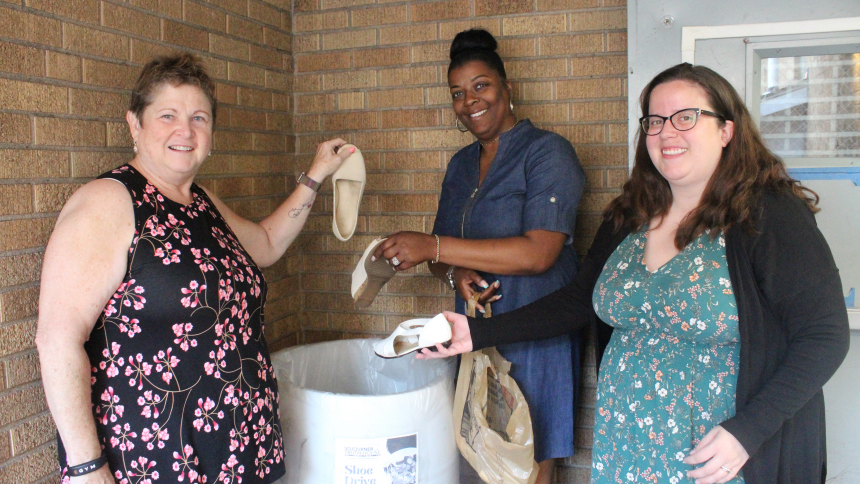
Shoes come in all colors, sizes and styles, and chances are you have at least one perfectly good pair in your closet that you never wear, which makes them a perfect fit for Sojourner Truth House.
The women’s resource center is in the midst of a Shoe Drive that is accepting donations of all kinds of new and gently used shoes – men’s, women’s and children’s – through Aug. 31.
“We are asking people to donate their gently used pairs of shoes, and for every pound of shoes we collect, we receive 40 cents, which will contribute to our mission and programs,” said Angela Paul, STH executive director.
“The donated shoes will be sent to developing countries, where they will help people create micro-enterprises and improve their lives by selling the shoes,” explained Shelley Boyer, special events coordinator for the Poor Handmaids of Christ, STH sponsor, and a Community Ambassador for STH. “We work with an entrepreneur program that teaches people how to make a living and also to cover their own feet if they need shoes.”
Denise Carney, another STH ambassador from Crown Point, has been taking the donated shoes home to sort and band or tie them in pairs before returning them to store at STH. “I’ve already found 40 single shoes, which we can’t use, so I want to stress to bring in only pairs,” she said. “We have every kind of shoe, including plenty of gym shoes.”
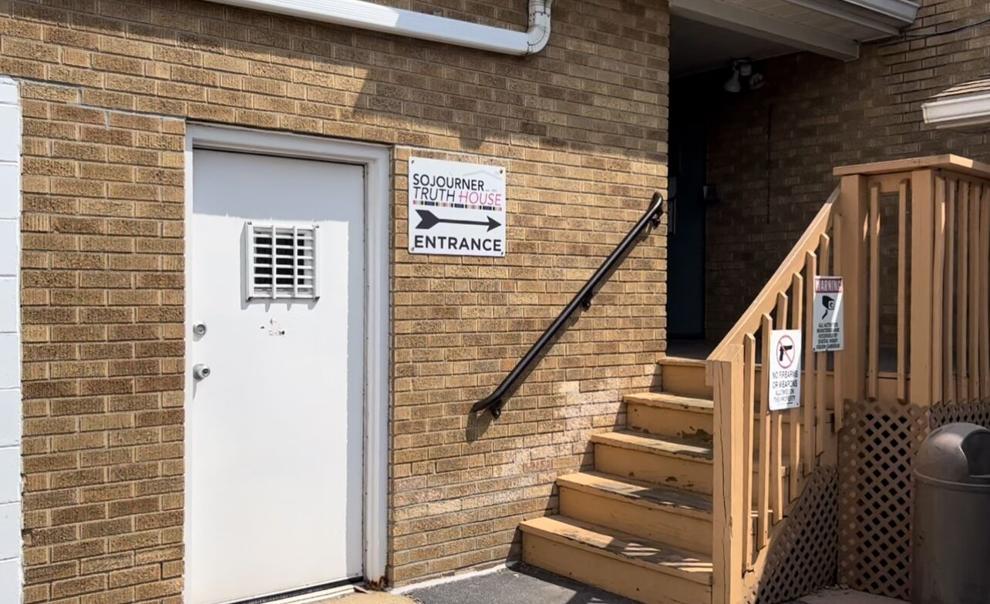
In addition to a barrel outside the main entrance to STH, collection boxes are available at a number of churches, offices and businesses around Northwest Indiana. To see the complete list, or to add a site, visit sojournertruthhouse.org/shoe-drive/.
“It’s a way to get people to contribute without having to give money. The funds we raise will help our clients with their personal needs, things like meals, clothing, security deposits for housing … all kinds of expenses as they get back on their feet,” said Paul.
Another fundraiser that keeps STH going is the annual Walk for Sojourner Truth House, held for the 24th year on June 10. “There was a lot of excitement this year, with about 200 walkers, and it was a great success,” said Paul.
“Our goal was $110,000, and we exceeded that by raising $120,084.26,” added Boyer.
Both women agreed substituting bubbles for colored powder to mark the race was very popular. “We had bubbles at the stations, on the walk perimeter, coming out of shooters and bubble cameras, and everyone really enjoyed them,” Paul said.
“They were so much easier to clean up, too,” said Carney.
Coordinating the shoe drive and the STH Walk this year are the new Community Ambassadors for STH, an auxiliary that was formed in January. Boyer and Carney are among the 18 members who meet at 6 p.m. on the third Wednesday of every month at STH.
“They are our spokespersons, embodying our pillars of advocacy, awareness, fundraising and volunteerism,” Paul explained. “They find things happening in the community and get us involved, get our name out there.”
The latest project undertaken by the ambassadors, who register with a $25 membership fee, is “Five Loaves and Two Fish,” which invites organizations and businesses to sign up to hold a monthly food drive for the STH food pantry.
Five sponsors have already signed up, and Paul noted that if collecting food is not convenient, the donor can provide a gift card for the purchase of needed supplies. “We have one church that gives us a $100 gift card for groceries,” she said.
“Eventually, we hope to get 52 organizations signed up, and then each one will only have to hold a food drive once a year,” added Carney, who became an ambassador “because I think Sojourner Truth House is a worthwhile cause.”
Boyer, a fundraiser by profession, joined the auxiliary “because it’s a nice way to bring people in to help STH. There are so many ways to help.”
For more information about the ambassador program or volunteering with STH, email ambassadors@sojournertruthhouse.org or call 885-2282 to RSVP for an upcoming STH Coffee and Conversation meeting and tour; future dates include Tuesdays, Aug. 8 and Sept. 12, from 1 to 2:30 p.m., and Thursdays, Aug. 17 and Sept. 21, from 9 to 10:30 a.m.
Last November, a young man wearing a sweatshirt and sandals walked up to the clothing bins outside the Sojourner Truth House in Gary.
The man grabbed a coat that came halfway up his arms. Although he was very grateful to have the ill-fitting coat, volunteer Dennis Kenning knew they could find him something better in the pile of donated winter jackets.
Dennis and his wife, Sharon Kenning, asked what else they could help with. The man, who wore a size 13, needed an appropriate pair of shoes for the freezing temperatures. By coincidence, Dennis looked down and noticed a gently used pair of Nikes in a size 13, something STH rarely receives.
“It gave us chills,” Sharon said. “It got down to 19 degrees that night. If this young man was sleeping on the streets that winter coat and those shoes could have made a huge difference for him.”
STH, a nonprofit organization, primarily serves as a food pantry to Gary residents. It also provides women and children living in local shelters with a day center program to attend throughout the week.
STH opened its doors in 1997 at 410 W. 13th Ave., after Sister Joan Fisher saw a need for an organization like this in Gary.
At the food pantry, clients are eligible to receive a food basket containing grains, protein, dairy, and fruits or vegetables once every 30 days. Food baskets are designed to last clients for a few days. They are also eligible to receive personal hygiene items once every 90 days.
The food pantry is open Tuesday through Thursday from 9-11 a.m. and 1-2 p.m. STH receives food from the government, the Food Bank of Northwest Indiana and donations.
“We recognize the strong need for help here in Gary. We see the disparity,” said Sharon, a Valparaiso resident. “We’ve had people turn down milk because they don’t have a refrigerator to put it in.”
STH’s food pantry can serve 270 clients per week, though nutritious foods aren’t always available. Recently, STH started the “Five loaves and two fish initiative,” which asks for churches, organizations or businesses to commit to participate in one food drive a year to help support the food pantry.
Sharon said this initiative can add to STH’s budget, and help put more nutritious foods in baskets. To donate, contact Sharon Kenning at 219-789-2222 or email, accounts@sojournertruthhouse.org with the subject “5 Loaves & 2 Fish.”
STH is also looking for volunteers to assist with its garden, the food pantry, and clothing closest that’s available to women and children.
“As the need in the community grows, we need more assistance to make it easier,” Volunteer Coordinator Airiel Crenshaw said. “The more the merrier.”
Women who attend the day center program have the opportunity to attend classes designed to identify the root causes of financial and emotional instability, and how to overcome those barriers. On-site case management services assist women with finding employment and housing, Executive Director Angela Paul said.
The center serves nearly 20 women and their children each day. Women who’ve walked through STH’s doors have lived in hotels, on the streets and inside rented storage units, said Pam Key, director of client services.
“We’re desperately in need of affordable housing in Gary,” she said. “Some of the reasons women are becoming homeless is because they can’t afford the housing. There’s a need for awareness to our problem of homelessness in Lake County and the state.”
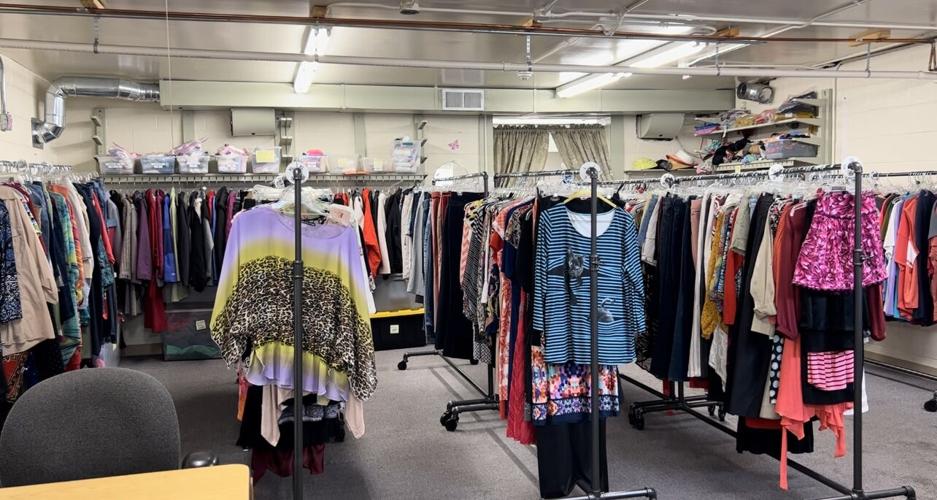
The day center is available to residents across Northwest Indiana and beyond. Women who attend the program receive breakfast and lunch, and have the option to pick out gently used or new clothes from the clothing closet if necessary.
STH accepts donations of gently used clothing items, accessories and small appliances. Crenshaw said STH also tries to provide women with a variety of home furnishings and cleaning supplies once they move out on their own.
“It’s a very worthwhile mission to help these women get back their independence, and back on their feet,” Sharon said. “We have a passion for it because we see the need.”
VALPARAISO – Challenging his audience to “live as missionary disciples,” facilitator Joe De Frier used actual loaves of bread to draw faithful Catholics closer to the Holy Eucharist during a three-part adult faith formation series hosted by St. Paul parish on May 8, 15 and 22.
“I want to open peoples’ hearts and minds up to conversion,” he said in introducing the series that focused on a deeper understanding of Christ’s Body and Blood by focusing on a complete history of the sacrament.
“We are looking at the Mass in a different way by looking at its Jewish roots, then putting the parts of the Mass together as they have changed,” noted De Frier, coordinator of adult faith formation at St. Paul. His sessions touched on the Introductory Rites, the Liturgy of the Word, and the Liturgy of the Eucharist.
Utilizing a series of videos, “A Biblical Explanation of the Mass,” presented by Dr. Brant Pitre, a research professor of scripture at Augustine Institute, a private Catholic graduate theology school offering master’s degree programs inspired by Pope John Paul II’s call for a New Evangelization, De Frier explained today’s procession to the altar that opens Mass to Moses entering the tent (tabernacle), at which time the people “would rise up and worship, every man at his tent door.”
In the three sessions, De Frier went on to explain the origins of the Kyrie Eleison, the Gloria, the Responsorial Psalm – likened to that sung daily by the Levites in the Temple – and the Gospel reading, which was derived from the Israelites standing when the Torah (Old Testament) was read.
“Catholics read more of scripture (at Mass) than other religions do in a year of worship – our daily readings at Mass offer much of the Bible,” said De Frier.
He termed the Liturgy of the Eucharist “very complex, like a tapestry of Biblical quotations,” and noted that the word ‘Mass’ means ‘missa’ – to be sent out into the world. “We’ve become prophets to the world,” De Frier said.
“The last words of the consecration that turns the cross into a sacrifice – the moment when Christ loves us and gives himself up for us, body, blood, soul and divinity,” De Frier said. “That’s why the priest elevates the host (and the cup), so you can adore, (and) worship Jesus, because it is the Body and Blood of Jesus Christ. Let us give thanks to the Lord for his gift to us of his Body and Blood.”
John Szczepanski, a St. Paul parishioner, said he came to the series on the Eucharist “because I wanted to hear what the Church teaches about the Eucharist and the Mass. I believe in ongoing formation, in continuing to learn.”
Asked why the Catholic Church has not come together with other Christian faiths that also believe in the Real Presence, De Frier said more dialogue is needed, but could lead to unification. “The more we sit down and listen to each other, the more we’ll begin to realize that there is more alike between us than is different,” he suggested.
De Frier said the Sunday Mass is supposed to be “a holy moment of peace.” The Eucharist, he added, “is supposed to be both the source of our life and the end (summit). It is a moment of challenge to action, not unresponsiveness.
“The Eucharist is where the Christian community remembers the life and death of Christ, so we can continue his mission on Earth. That is the heart of the Eucharist, proclaimed daily at Mass,” he said.
“Today, many of us have remembered the bread, but forgotten the Body of Christ,” De Frier said. “Some people have received the Eucharist so often that it has lost its punch. Receiving the Eucharist should be the most disturbing moment of our week,” he added, challenging Catholics that “it is the people we must remember … the people who exterminated six million people, who sacrifice our children and teachers for automatic weapons and greater profits, who bombed two cities in Japan, who are building an arsenal of weapons that can destroy the world, who continue to hoard, lie, steal and abuse our children, and who ignore the hungry and homeless yet build mansions for themselves to live in.”
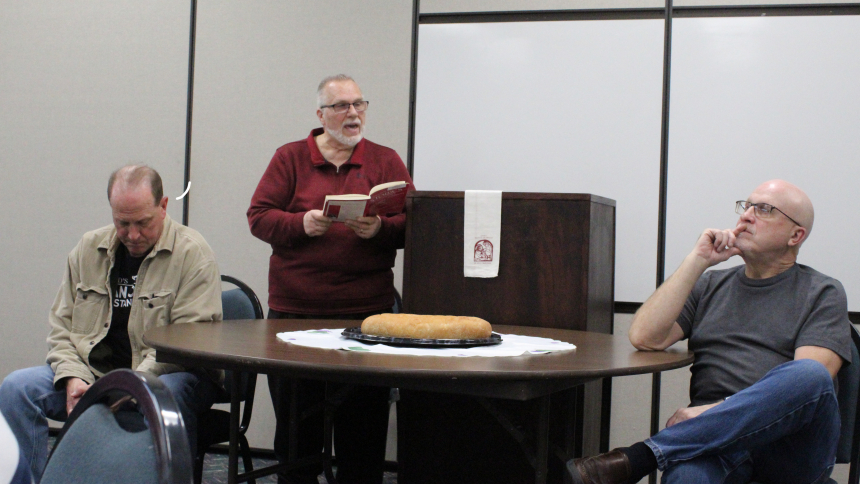
De Frier concluded the series with a prayer service that touched upon missionary discipleship, using actual loaves of bread to signify a pledge to follow Jesus in washing the feet of his people. “Will we wash their feet today? Will we be willing to pay that awful price?” De Frier challenged his audience as they broke off and ate pieces of the bread at each table.
The “Body of Christ,” he explained, “is the community” of those who love and believe in the Word of God and seek to follow him. “Gather us to be nourished and to nourish each other.”
Poor Handmaids of Jesus Christ: Becoming A Champion
Arleen Peterson, Executive Director of Relational Services
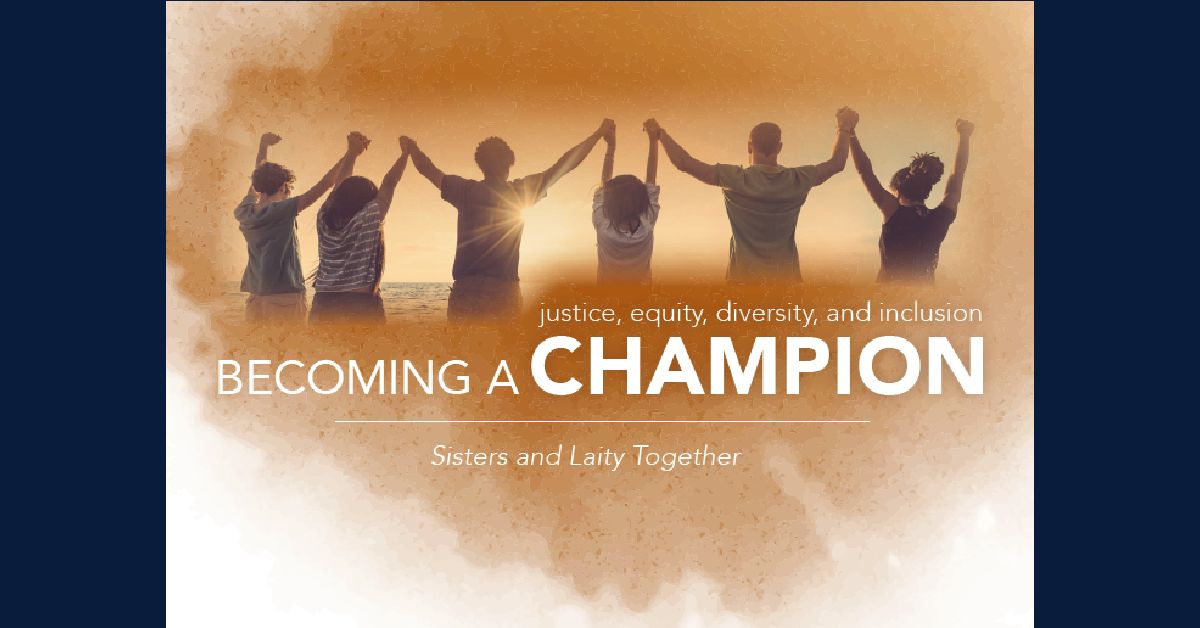
Most people recognize a champion as the one who steps up to the podium, but each champion has taken an amazing journey before ever reaching that podium. Champions must create a daily routine and experience failures and opportunities to improve before reaching champion status. Most of the time we only see the final glorious moment, but it’s a head, heart, and way of living that gets the champion to the podium. As lay people and PHJC Sisters we are being called to be champions of justice, equity, diversity, and inclusion (JEDI). Do you want to be a JEDI Champion? Let’s explore how we together are all doing this work! In the summer of 2020, as the echoes of police brutality and scourges of racism awakened our daily routines, PHJC leadership in solidarity with the Leadership Conference of Women Religious, announced their province statement on racism and their commitment to address systematic racism. I took this to heart as the Executive Director of Relational Services, as a skilled dismantling structural racism trainer, and as an African American women transformed into a JEDI Champion. The engagement of “Structural Racism Dialogue Discussions” began weekly as either socially distanced in-person sessions or hybrid presentations at The Center at Donaldson. This engaged coworkers, residents, leaders of ministries, and Sisters who wanted to commit to the lens of racial equity and justice.
This is the JEDI Champions way of daily routine, refusing to give anyone an excuse to not understand racism, bias, microaggressions, Jim Crow, Black Lives Matter, or any of the racialized truths and mistruths Sisters and Laity Together BECOMING ACHAMPION justice, equity, diversity, and inclusion By Arleen Peterson | Executive Director of Relational Services Word Gathering Spring 2022
Kathleen Quinn, PHJC centers us in the values of Saint Katharina Kasper, an extraordinary example and JEDI champion.
Our JEDI speakers have inspired us like Fr. James Martin, SJ on LGBTQ issues; moved us like Rev. Smash in addressing “white supremacy”; engaged us like our Juneteenth celebration featuring the National Negro Anthem of “Lift Every Voice and Sing.” JEDI Champions create space for more external voices to root for the progress of how the Poor Handmaids are a catalyst for just transformation. Every champion needs competitors and the JEDI speakers are a healthy dose of competition to keep us moving forward and continually improving.
I’m most encouraged that racial equity training is a requirement for all new hires. We are not only training like all champions do to get to the podium, but we are also teaching and being the lifestyle example for a JEDI champion. This year, one of the three African American coworkers at The Center was not the one who led the Martin Luther King Holiday celebration. Thanks to JEDI champion Paul Mach for stepping up to the podium.
This year, we continue to engage JEDI voices – hey, it is an Olympic year! We had an amazing opening ceremony with Fr. Daniel Horan, OFM discussing his recently published book, “A White Catholic’s Guide to Racism and Privilege.” Also in January 2022 we held a showing and discussion of the documentary “13th” by Ava DuVernay, an in-depth look at the prison system in the United States and how it reveals the nation’s history of racial inequality. Perhaps lessening COVID restrictions will allow us to also visit Ferris State University’s Jim Crow Museum as the year progresses. The pursuit of becoming a champion is difficult. People often look at a champion who wins a competition and think that getting there must have been fun, happy, and maybe even comfortable. Get that out of your head. It’s not. PHJC Sisters are not taking the easy road, and neither am I. We are doing something rare that many predominantly white led organizations are not willing to do. We are engaging the head, heart, and lifestyle together – laity and Sisters. These are the choices we are making to get on the podium and to be JEDI champions.
Of what our history in America has been for Black Indigenous People of Color (BIPOC). There were many sessions in which I had thoughts of quitting, of being emotionally exhausted. In the stories that I’ve read about Olympic champions, exhaustion shows that you are pushing your limits. Like them, I needed to embrace these moments of exhaustion because the fatigue means you are becoming a champion. More than 150+ lay people and Sisters have participated in these sessions and have stepped onto the podium. As the pandemic progressed into 2021, the head work and way of living took aim as JEDI champions moved out of their comfort zones. We established the JEDI Core group which is comprised of ministry coworkers and a Sister who guides and supports JEDI. The core group identifies guest speakers, events, and strategies for implementing JEDI. Like champions who don’t always do things like everyone else, Fr. Daniel Horan, OFM, spoke to The Center at Donaldson coworkers, Poor Handmaid sisters and many others on racism and privilege.
We are not only training like all champions do to get to the podium, but we are also teaching and being the EXAMPLE LIFESTYLE for a JEDI Champion.
Fort Wayne Ink Spot | By Tabitha Ervin, Editorial Director
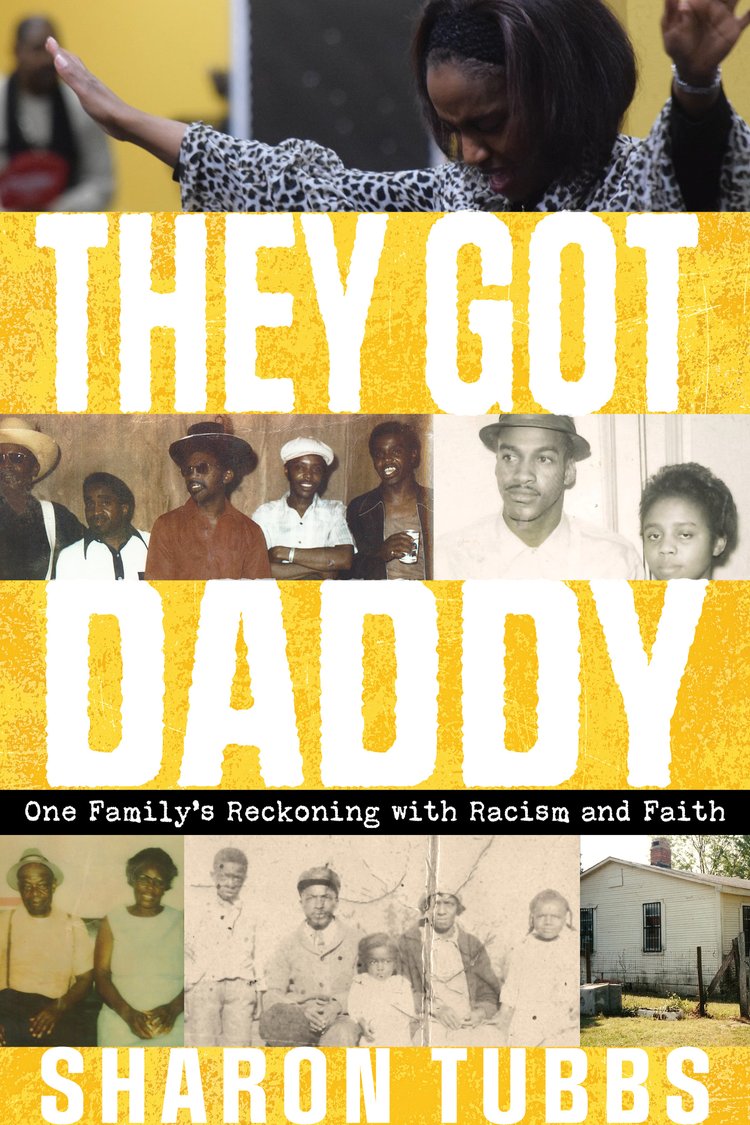
I learned so much in this conversation that I first want to share my own thoughts. Have you ever wondered who you are, I mean before you were even a thought? Let’s say 80-100 years ago or more. Who was your family, where were they from? As I learned about Sharon’s book, “They Got Daddy”, and what led her to write it, it made me ask questions about my own background and history.
My oldest living relatives, a great aunt (Aunt Dean) and 2 great uncles (Uncle June, Aunt Dean’s husband and Uncle Frank, Aunt Dean’s brother) are all in their 80’s but other than them many have passed on. Additionally, I never met either of my grandfathers. My dad wasn’t connected to his father at all and my moms father passed away when she was young. Both my grandmothers were in their 70s when they passed and my maternal grandmother lived with us for a bit when I was around middle school age. But before them, my mom and dad could only tell me stories of other relatives. Beyond that, there are pictures as well as my mom has been quite the historian on both sides of my family history. One year on a visit to North Carolina to see my dads family I made a family tree on a poster board back at least 2-3 generations ago.
I am thankful to have known and spent precious time with both my grandmothers and I am blessed that my mom and my relatives on my dad’s side can still share those valuable details.
My Great Uncle June tells wonderful stories of his past and how he and my Great Aunt ended up in Michigan from the South with a stop in Ohio before making Michigan home which is also how my dad ended up in Michigan; he moved with them to work at GM. I think I’ll record him next time I’m home!
This is my reflection after a wonderful conversation with Sharon about her new family memoir.
Sharon is not only the Executive Director of HealthVisions Midwest of Fort Wayne but an accomplished author having written several books nonfiction and fiction. This is her first memoir. She majored in Journalism for her Bachelors degree and has always wanted to be a writer.
Ervin: Thanks for your time today! So what led you to tell your grandfather’s story and why were you interested?
Tubbs: My grandfather was a Pastor, a well driller and a sharecropper. He was in a car accident in which he injured his arm and was not able to work as much to support the family. There was a whole story behind it that I was not aware of with him being kidnapped and also filing a lawsuit with the courts. As a child, my mother and I were watching tv together and the story on the news was about the Klu Klux Klan. At my age, living here in Fort Wayne, it didn’t seem to make sense that a rally was happening in Indiana. This was in the 80s. While I was asking my mom about the news she mentioned, “they got daddy” and some small details on what she meant but not much. That began my lifelong journey of discovering what happened to my grandfather who passed a few years after my mom mentioned that.
Ervin: So you were a child when that initial interaction with your mother happened and fast forward to now you did the research and wrote a book about it… That’s incredible!
Tubbs: It just kept coming back to me, from middle school to college and beyond especially during my career as a journalist. I finally started to research in 2005 when an uncle of mine mentioned a lawyer and a court case which to that point I had not been told about. This began my journey of discovering the incredible history and boldness of my grandfather during that time but also the sadness and trauma he and my family experienced.
Ervin: I did just get my book and started reading it now so I am excited to dive into this story! I’m intrigued by the parallels in each chapter from then to now and your reflections.
Tubbs: As I was researching it brought up various experiences that I’ve had as a black woman and as a journalist. It made me realize that the times then aren’t as far off from the current times as we think they may be and I wanted to show that through my writing. It also made me think about cultural trauma and how that impacts people and they don’t even know it.
Ervin: I am personally excited about the impact this book can have on people telling and discovering their family stories even through the pain of what may have happened. Thank you for your research and thank you for sharing it with us! I encourage everyone to get this book!
To contact Sharon for speaking and to get your copy please check her out at sharontubbs.com. Books can also be purchased on Amazon.
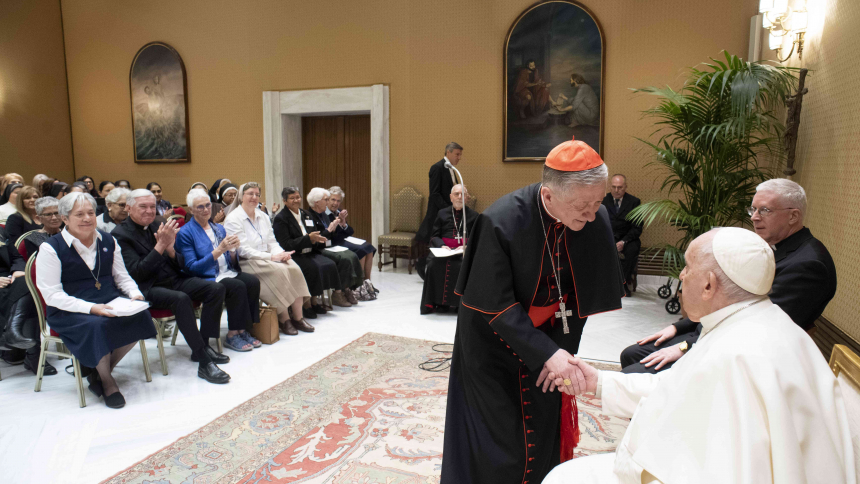
VATICAN CITY (CNS) – The life and ministry of the Catholic Church is enriched by listening to everyone, especially those who are often excluded by society, and by including their experiences and perspectives, Pope Francis said.
“For the church is like a rich tapestry, made up of many individual threads that come from various peoples, languages and cultures, yet woven into a unity by the Holy Spirit,” he told a delegation from Catholic Extension.
The pope greeted the delegation during an audience at the Vatican April 26. The group included: U.S. Cardinal Blase J. Cupich of Chicago, chancellor of the organization’s board of governors; retired Arizona Bishop Gerald F. Kicanas of Tucson, vice-chancellor; and Sister Norma Pimentel, a member of the Missionaries of Jesus, who received Catholic Extension’s “Spirit of Francis” Award this year for her work providing care to hundreds of thousands of people at the U.S.-Mexico border.
“I congratulate Sister Norma Pimentel,” the pope said, “for her service to the many men, women and children arriving at the southern border of the United States.”
Speaking briefly in Spanish, the pope said the border was “caliente caliente,” that is, a hotbed of activity with so many people “in search of a better future.”
He thanked Catholic Extension, which had a delegation in Rome April 23-28, for its work “providing assistance to missionary dioceses, particularly in the United States, and in caring for the needs of the poor and most vulnerable,” especially in Puerto Rico “following the various hurricanes and earthquakes which brought such devastation to the island in recent years.”
“By giving a voice to those who are frequently voiceless,” he told the delegation,”you bear witness to the God-given dignity of every person.”
As the entire church is journeying together on the path of synodality, the pope said, “listening to and including the experiences and perspectives of all, especially those on the margins of society, enriches the church’s life and ministry.”
“I am pleased to know of your concern to place those who are often victims of today’s ‘throw-away culture’ at the heart of the church’s pastoral activity; in this way, their voices can be heard, and all can benefit,” he said.
Pope Francis encouraged them to serve others with “God’s style,” that is with closeness, compassion and tender love so that “God’s loving mercy becomes visible, and the fabric of society is strengthened and renewed.”